What separates the companies getting a return on AI
Most companies cannot say what their AI spend returns. The ones that can give every piece of AI what an employee has: a name, a manager, a cost, and a job.

MIT's Project NANDA found in 2025 that 95% of organizations are getting zero return on generative AI. Not a small return. Zero.
Most companies have some version of the same story. Leadership decides the company needs to be AI native, so everyone gets a Claude or ChatGPT seat. Eighteen months later, teams can point to some impressive projects, but nobody can defend the cost, show that productivity went up, or say whether any of it made the business more profitable.
We wrote The Agentic Workforce Maturity Model to help companies get out of that story. This post covers the research behind it: where most companies are today, and what the few getting a return do differently.
Most companies get nothing back
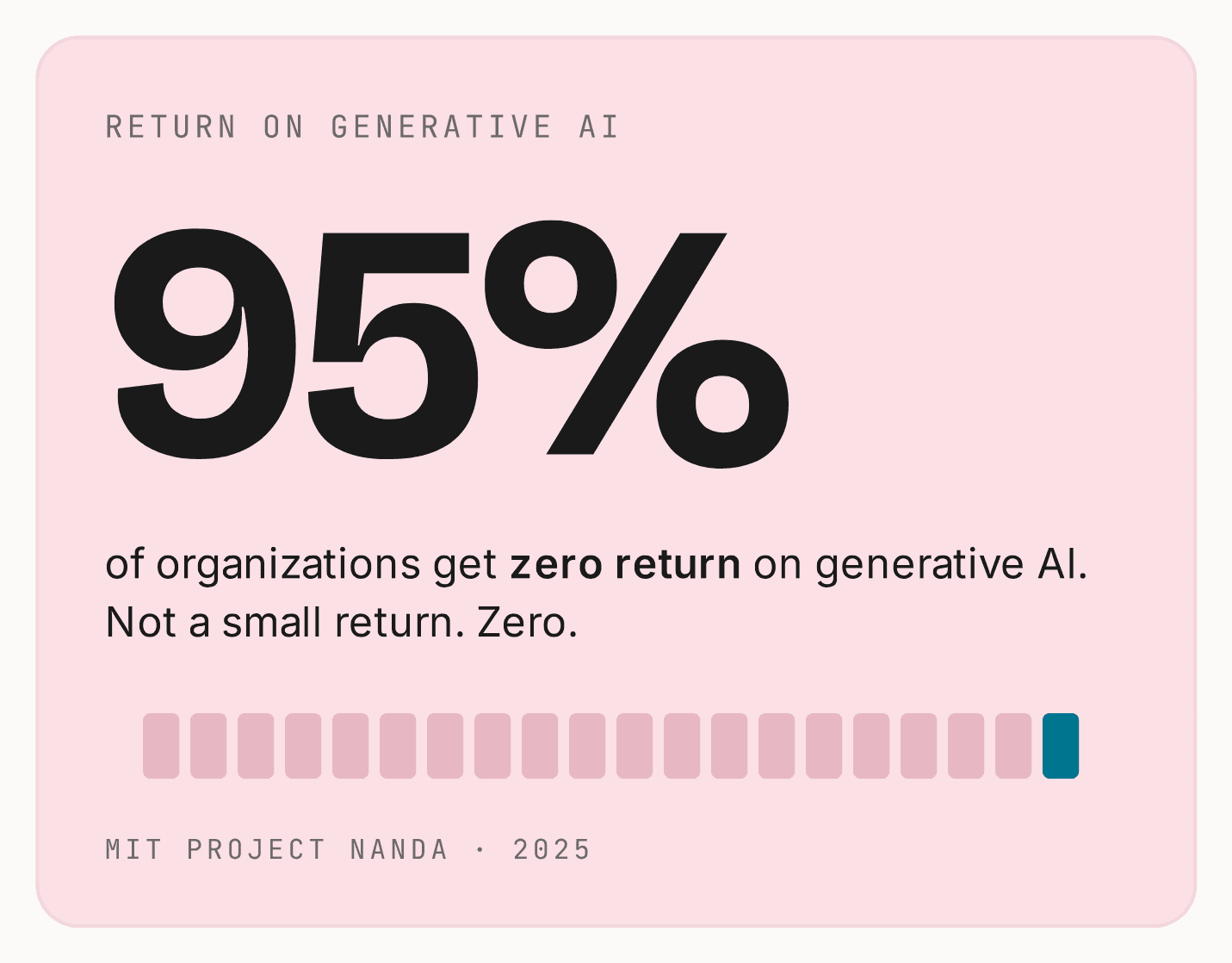
Figure 1. Return on generative AI. Source: MIT Project NANDA, 2025.
The same research found that workers at over 90% of the companies surveyed regularly use personal AI tools for work, while only 40% of companies said they had bought an official LLM subscription. The habit is far ahead of the company.
Airtable's 2026 research, covering 1,001 organizations, found the same gap from another side: 56% still use AI for individual productivity, not across systems and agentic workflows.
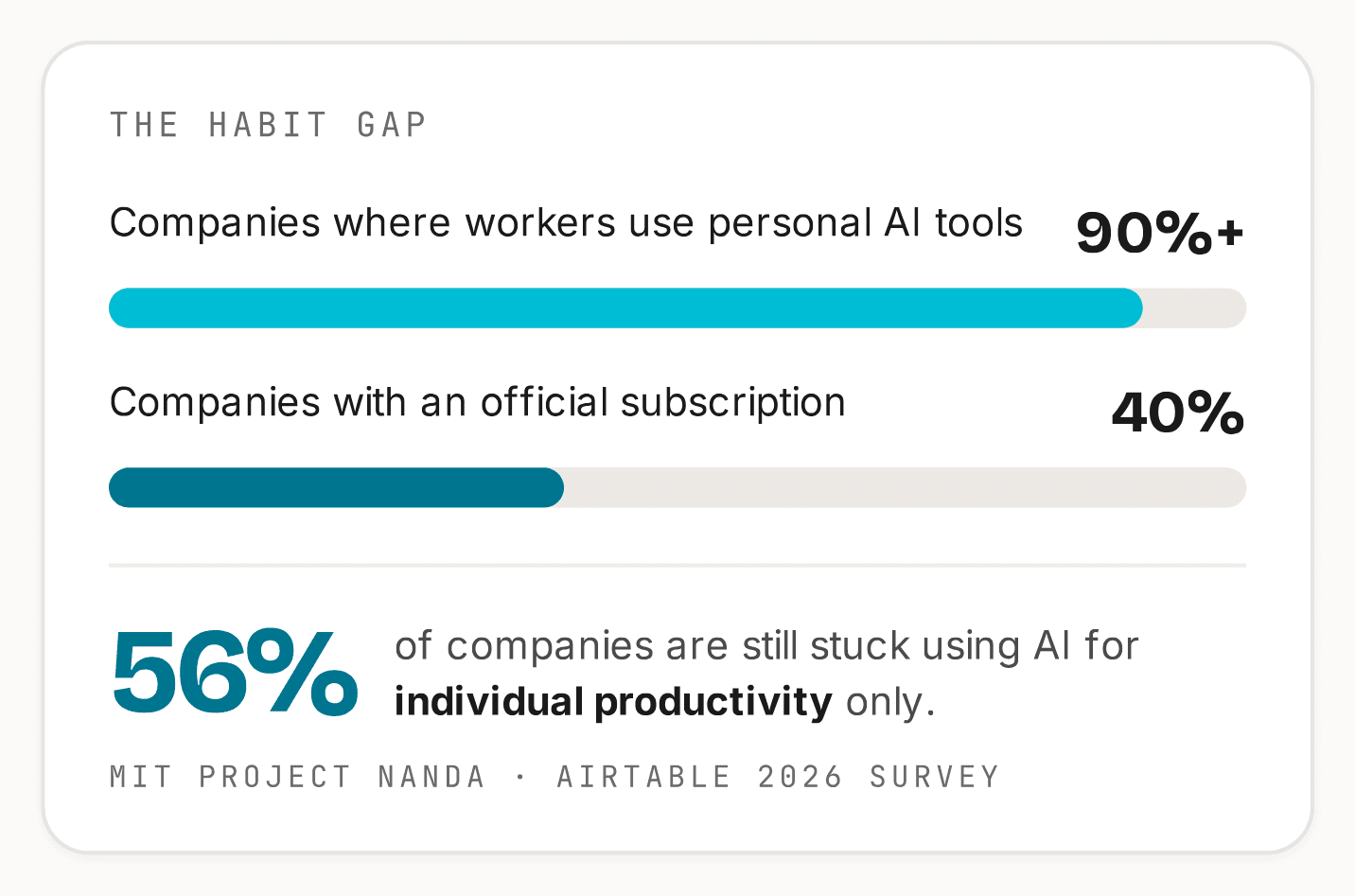
Figure 2. The habit gap. Sources: MIT Project NANDA, 2025, and Airtable, 2026.
This is not a story about AI failing to work. It is a story about AI with no business owner.
Where that leads
Gartner predicts that over 40% of agentic AI projects will be canceled by the end of 2027. The reasons it gives are escalating costs, unclear business value, and inadequate risk controls. None of them is the model.
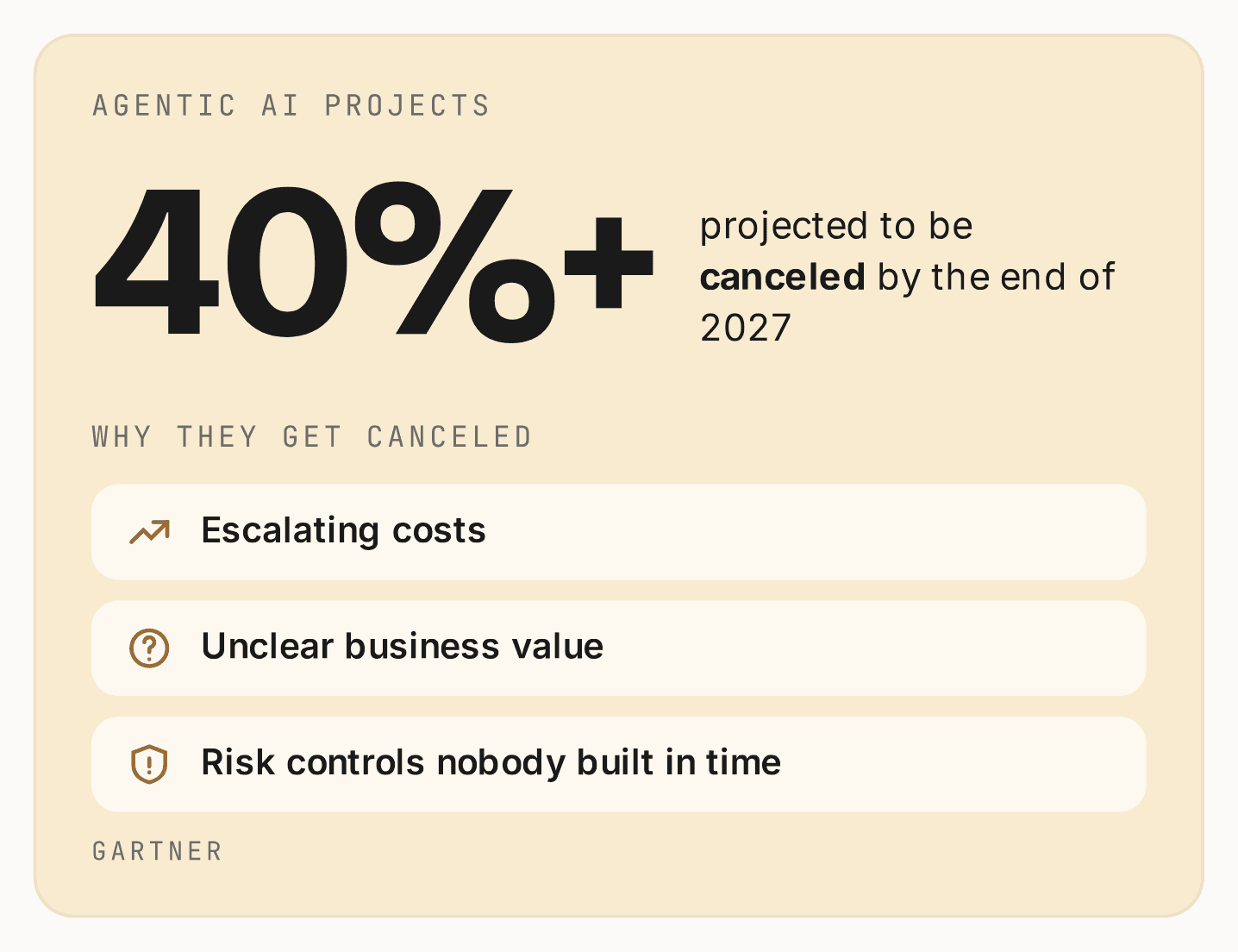
Figure 3. Why agentic AI projects get canceled. Source: Gartner, 2025.
Gartner also estimates that only about 130 of the thousands of agentic AI vendors are real.
Spending keeps climbing anyway. Ramp's AI Index shows that among US businesses on Ramp that pay for AI, the top 1% spent a median of $9,567.53 per employee per month in September 2026. The median business spent $15.70. That is roughly a 610 times gap. Spending more is not the same as getting more back.
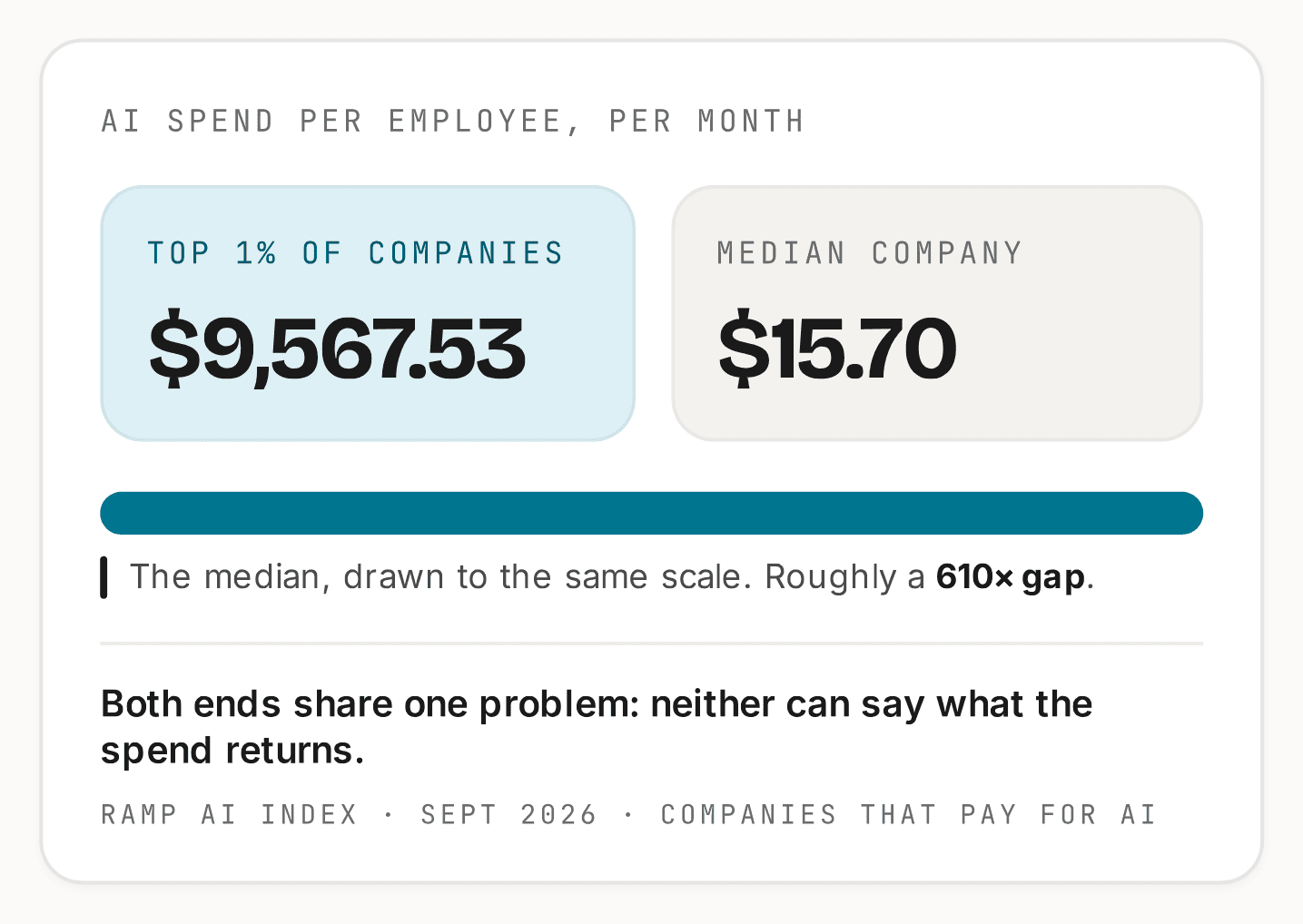
Figure 4. AI spend per employee, per month. Source: Ramp AI Index, September 2026.
What the leaders do differently
In McKinsey's 2025 State of AI survey, 88% of respondents said their organizations regularly use AI in at least one business function. Only about 6% are what McKinsey calls AI high performers: they attribute 5% or more of their earnings before interest and taxes to AI, and say it has brought their organization significant value.
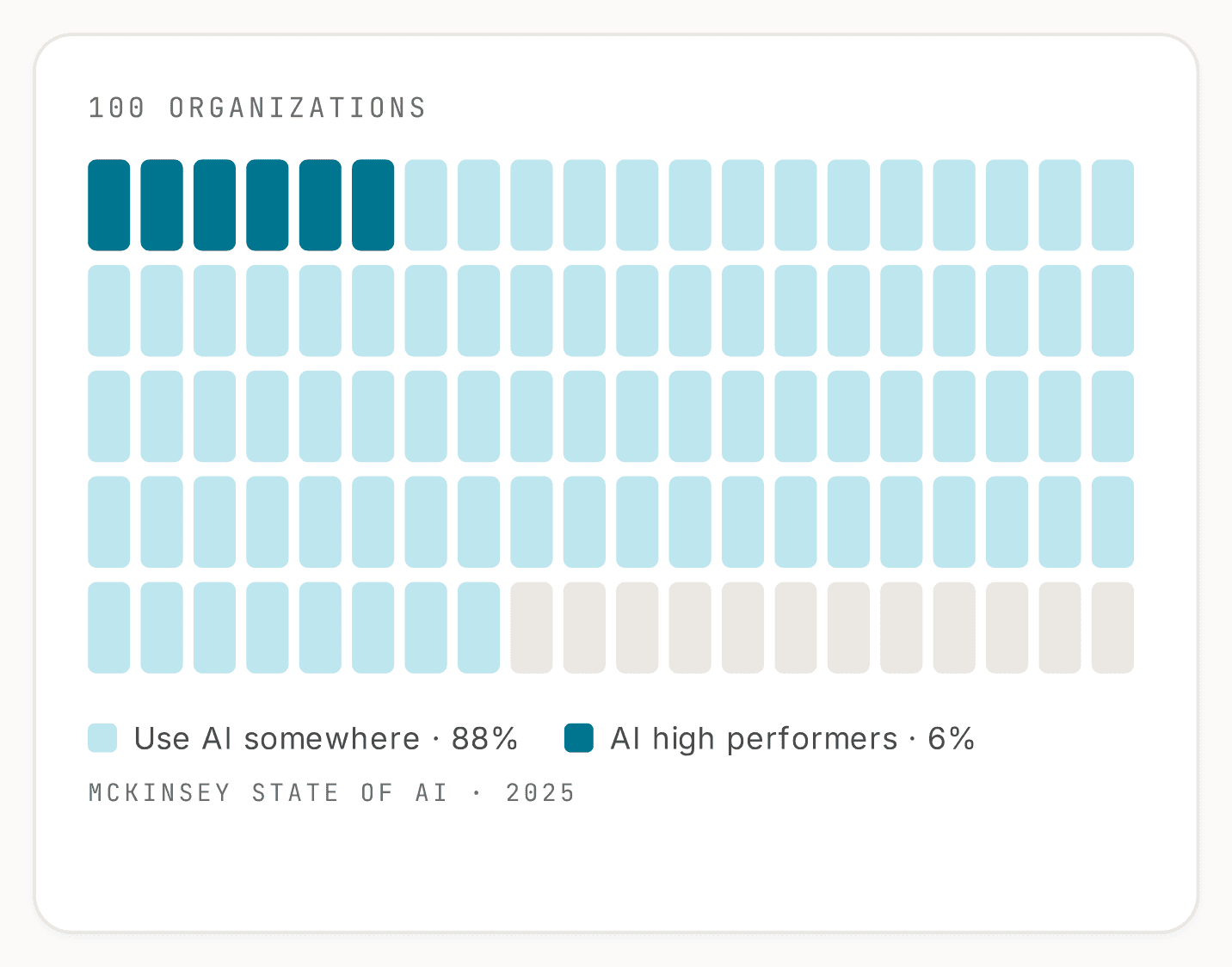
Figure 5. AI use and AI high performers, out of 100. Source: McKinsey, The State of AI, 2025.
The high performers work differently. In most business functions, they are at least three times more likely than their peers to say they are scaling AI agents. They are also nearly three times as likely to say their organizations have fundamentally redesigned individual workflows, instead of adding AI to the old ones. And Deloitte's 2026 State of AI in the Enterprise, a survey of more than 3,200 leaders in 24 countries, found that only 21% of companies report a mature model for governing autonomous agents.
Ownership is the difference
Our read of the research: the companies getting a return are not the ones with the most AI. They are the ones that know who owns each piece of AI, what it costs, and whether it is doing its job. Usage and maturity are different things, and most companies are measuring usage.
So the maturity model asks one question at every stage. Does this piece of AI have a name, a manager, a cost, and a job, the way every employee already does?
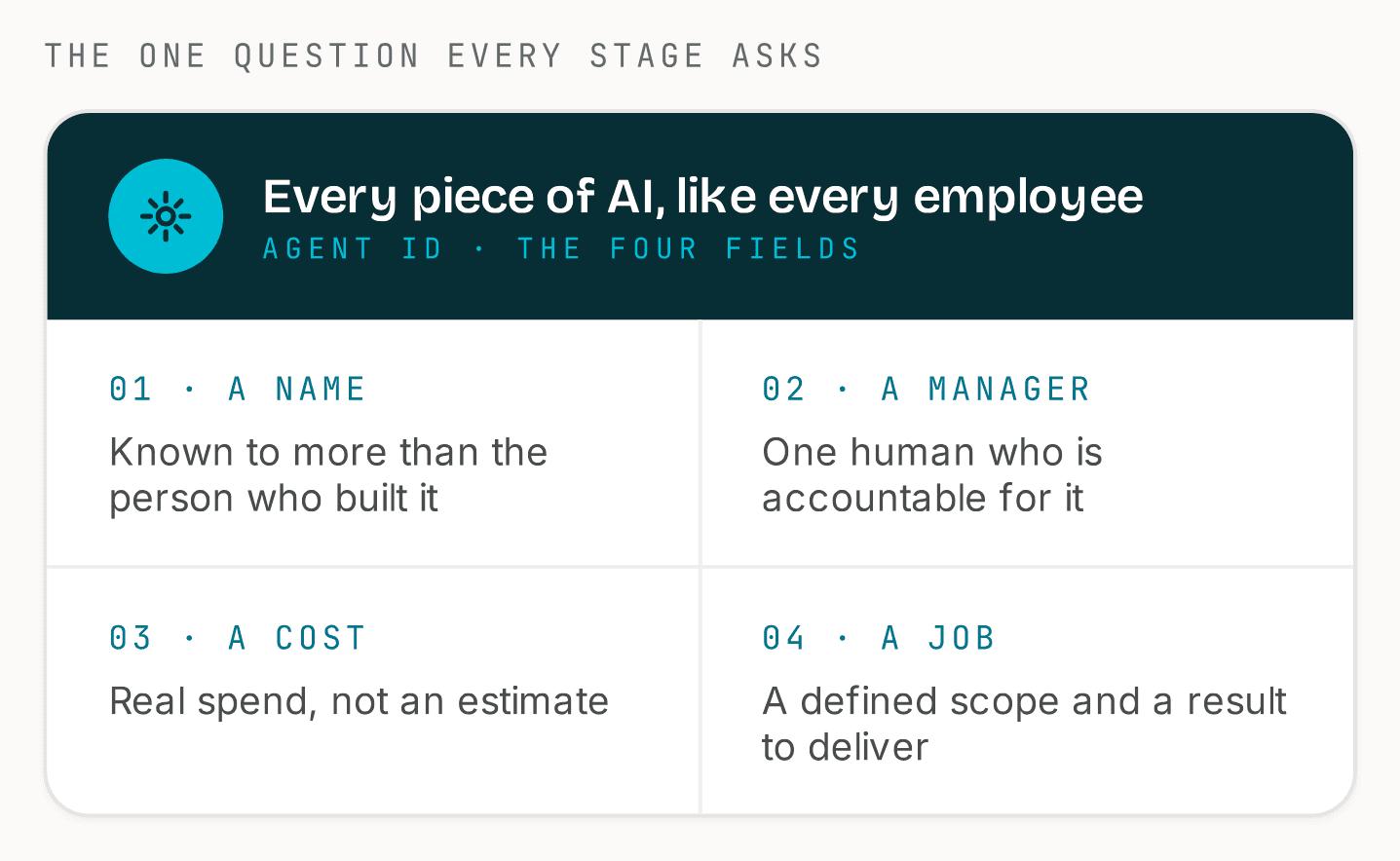
Figure 6. The one question every stage asks.
Find your stage
The model turns that question into five stages, from random acts of AI to a company-wide workforce of humans and agents on one org chart. The five stages of an agentic workforce walks through each one.
The full guide is free. It adds a self-assessment for every stage, a worksheet to map each team, and one specific move that gets you to the next stage.